 Representative service image
A Plan Suited to Your Home
Give basement water a controlled route out.
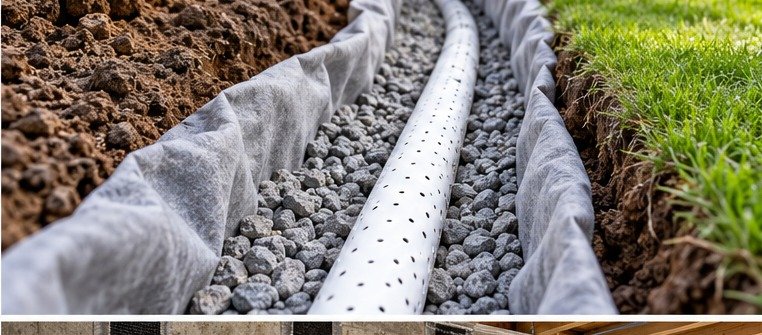
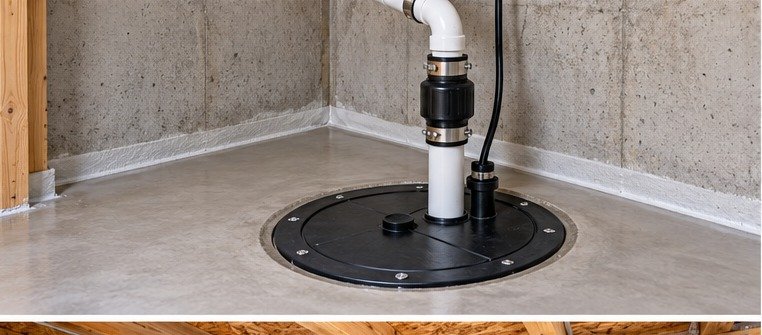
An interior drainage system collects water at appropriate locations and directs it toward a sump or other suitable discharge arrangement. We review the basement layout, visible entry points, and existing equipment to propose a connected water-management system.
Signs worth discussing
- Water along the wall and floor joint
- Recurring basement puddles
- Existing drainage that is incomplete or ineffective
What your project may include
- Review of the basement layout and entry points
- A collection and drainage route suited to the space
- Connection to an appropriate sump or discharge system
- A clear explanation of access and reinstatement
What happens next?
Tell us where the property is located and what you have noticed. We discuss the conditions, access, and any further assessment needed, then explain a proposed scope and quote.
Discuss My ProjectFrequently asked questions
Does an interior drain stop water outside the wall?
An interior drain manages water after it reaches the collection area. Exterior protection and interior drainage serve different roles.
Can it connect to an existing sump?
An existing sump may be usable if its condition, capacity, and discharge arrangement suit the proposed system.